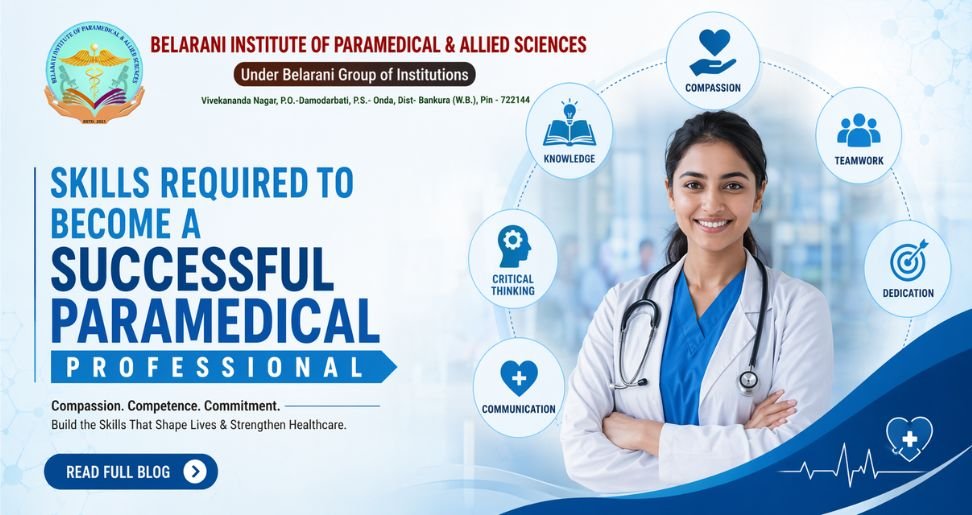
The healthcare industry is one of the fastest-growing sectors globally, and paramedical professionals play a crucial role in supporting doctors and ensuring efficient patient care. From diagnostic services to emergency response, paramedics are the backbone of modern healthcare systems. However, to excel in this demanding field, one must possess a unique combination of technical expertise, interpersonal abilities, and emotional strength.
If you are aspiring to build a career in paramedical sciences, understanding the essential skills required to become a successful paramedical professional is the first step toward achieving your goal.
1. Strong Medical Knowledge and Technical Skills
A solid foundation in medical science is essential for any paramedical professional. Whether you are working as a lab technician, radiographer, or emergency medical technician, you must understand human anatomy, physiology, and basic medical procedures.
Technical proficiency is equally important. Paramedical professionals often operate sophisticated medical equipment such as X-ray machines, ultrasound devices, and laboratory instruments. Accuracy and precision in handling these tools are critical, as even a minor error can impact diagnosis and treatment.
Institutes like Belarani Institute Of Paramedical & Allied Sciences focus on providing hands-on training along with theoretical knowledge, ensuring students are industry-ready from day one.
2. Effective Communication Skills
Communication is a vital skill in healthcare. Paramedical professionals must interact with patients, doctors, nurses, and other healthcare staff on a daily basis.
You need to:
- Explain procedures clearly to patients
- Listen carefully to patient concerns
- Relay accurate information to doctors
Good communication helps reduce patient anxiety and ensures smooth coordination within the healthcare team. It also builds trust, which is essential in patient care.
3. Compassion and Empathy
Working in healthcare means dealing with people who may be in pain, stress, or emotional distress. Compassion and empathy allow paramedical professionals to connect with patients on a human level.
Being kind, patient, and understanding not only improves patient experience but also contributes to better recovery outcomes. A successful paramedic doesn’t just treat a condition—they care for the person behind it.
4. Critical Thinking and Problem-Solving Skills
Paramedical professionals often work in high-pressure environments where quick decisions are necessary. Whether it’s analyzing lab results or responding to an emergency, the ability to think critically is crucial.
You should be able to:
- Assess situations quickly
- Identify potential risks
- Make informed decisions under pressure
These skills are especially important in emergency medical services, where timely action can save lives.
5. Attention to Detail
In the paramedical field, accuracy is everything. A small mistake in recording patient data, conducting a test, or interpreting results can lead to serious consequences.
Attention to detail ensures:
- Accurate diagnosis
- Proper treatment plans
- Patient safety
Developing this skill requires focus, discipline, and a commitment to maintaining high standards in every task.
6. Physical and Mental Stamina
Paramedical jobs can be physically demanding and emotionally challenging. Long working hours, night shifts, and emergency situations are common in this profession.
You need:
- Physical endurance to handle demanding tasks
- Mental resilience to cope with stress and pressure
Training programs at reputed institutes like Belarani Institute Of Paramedical & Allied Sciences often include practical exposure that helps students build both physical and mental strength.
7. Teamwork and Collaboration
Healthcare is a team effort. Paramedical professionals work closely with doctors, nurses, and other staff to deliver comprehensive patient care.
Being a team player means:
- Respecting others’ roles
- Collaborating effectively
- Supporting colleagues during critical situations
Strong teamwork ensures better patient outcomes and a more efficient healthcare system.
8. Adaptability and Willingness to Learn
Medical science is constantly evolving with new technologies and treatment methods. To stay relevant, paramedical professionals must be adaptable and open to continuous learning.
You should:
- Stay updated with new medical advancements
- Learn new techniques and technologies
- Be flexible in different work environments
This adaptability helps in career growth and enhances your professional value.
9. Ethical Responsibility and Professionalism
Paramedical professionals handle sensitive patient information and are responsible for maintaining confidentiality and ethical standards.
Key aspects include:
- Maintaining patient privacy
- Following medical protocols
- Demonstrating professionalism at all times
Ethical behavior builds trust and credibility in the healthcare profession.
10. Time Management Skills
In a busy healthcare setting, managing time efficiently is essential. Paramedical professionals often juggle multiple tasks, from patient care to administrative duties.
Good time management helps:
- Improve productivity
- Reduce stress
- Ensure timely patient care
Prioritizing tasks and staying organized are key to mastering this skill.
Why Choose the Right Institute?
Building these skills requires proper guidance, training, and exposure. Choosing the right educational institution plays a significant role in shaping your career.
Belarani Institute Of Paramedical & Allied Sciences is known for its comprehensive curriculum, experienced faculty, and practical training approach. The institute focuses on skill development, ensuring that students are well-prepared to meet the challenges of the healthcare industry.
With modern facilities and industry-relevant courses, it provides an ideal platform for aspiring paramedical professionals to succeed.
Career Opportunities in Paramedical Field
With the right skills and training, paramedical professionals can explore a wide range of career opportunities, such as:
- Medical Laboratory Technician
- Radiology Technician
- Emergency Medical Technician
- Operation Theatre Technician
- Physiotherapy Assistant
The demand for skilled paramedics is increasing rapidly, making it a stable and rewarding career option.
FAQs ( Frequently Asked Questions )
Ans :- A good paramedic possesses a combination of technical knowledge, communication skills, empathy, and critical thinking abilities. They must also have strong decision-making skills, attention to detail, and the ability to work under pressure. Physical stamina and teamwork are equally important to handle the demands of the profession effectively.
Ans :- The four pillars of paramedics generally include:
Clinical Care – Providing accurate and efficient medical assistance to patients
Communication – Effectively interacting with patients and healthcare teams
Professionalism – Maintaining ethical standards and responsibility
Critical Thinking – Making quick and informed decisions in emergency situations
These pillars form the foundation of a successful paramedical career.
Conclusion
Becoming a successful paramedical professional requires more than just academic knowledge. It demands a blend of technical expertise, emotional intelligence, and practical skills. From communication and empathy to critical thinking and adaptability, each skill plays a vital role in delivering quality healthcare.
By enrolling in a reputed institution like Belarani Institute Of Paramedical & Allied Sciences, you can gain the right training and exposure needed to develop these essential skills. With dedication and the right guidance, you can build a fulfilling career in the ever-growing paramedical field.
Have A Look :-