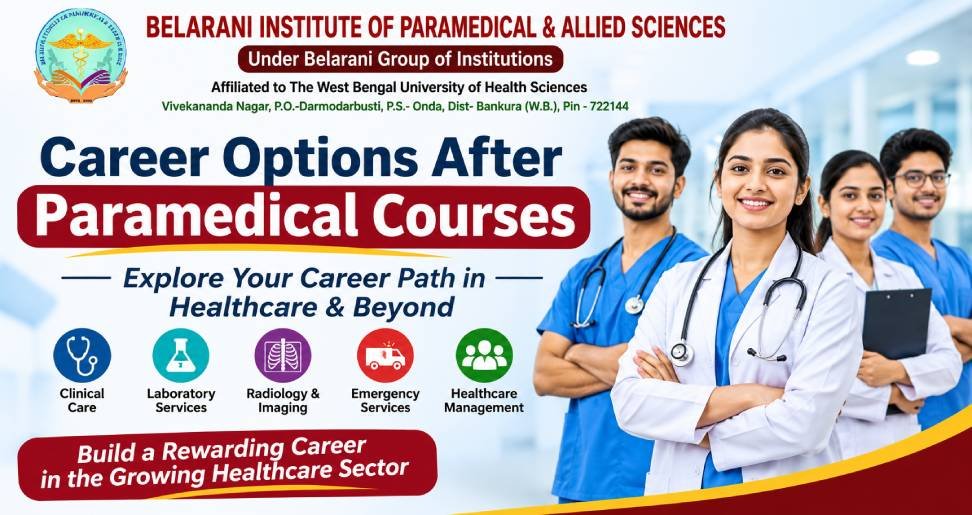
The healthcare industry offers numerous career opportunities beyond becoming a doctor or nurse. Paramedical professionals play an important role in supporting doctors, assisting patients, conducting diagnostic tests, and ensuring the smooth functioning of hospitals and healthcare facilities. With the increasing demand for quality healthcare services, paramedical courses have become a popular choice among students looking for practical, skill-based education and rewarding career opportunities.
Students who complete paramedical courses can explore various career paths in hospitals, diagnostic laboratories, emergency care units, rehabilitation centres, blood banks, and other healthcare institutions. These courses provide specialised knowledge and practical training that help students develop the skills required to work in different medical departments.
In this blog, we will explore some of the best career options after paramedical courses and understand how students can build a successful future in the healthcare sector.
What Are Paramedical Courses?
Paramedical courses are specialised educational programmes designed to train students in different areas of healthcare support and medical technology. These courses focus on developing practical skills required to assist doctors, nurses, and other healthcare professionals.
Depending on the course, students receive training in medical laboratory technology, radiology, operation theatre procedures, emergency medical services, physiotherapy assistance, and other healthcare-related fields.
Paramedical programmes are available at different academic levels, including certificate, diploma, undergraduate, and postgraduate courses. The eligibility criteria and duration depend on the institution and the specific programme.
Top 10 Career Options After Paramedical Courses
After completing a paramedical course, students can choose from several professional opportunities based on their qualifications, interests, and specialisation.
1. Medical Laboratory Technician
Medical Laboratory Technology is one of the most popular career choices after paramedical education. Medical laboratory technicians work in diagnostic laboratories, hospitals, and healthcare centres.
Their primary responsibilities include collecting and processing samples, conducting laboratory tests, maintaining testing equipment, and preparing reports for medical professionals.
Career Opportunities:
- Medical diagnostic laboratories
- Private and government hospitals
- Pathology centres
- Blood testing laboratories
- Research laboratories
Students interested in laboratory science and diagnostic procedures can consider this career path.
2. Radiology and Imaging Technician
Radiology technicians assist healthcare professionals in performing medical imaging procedures. They work with specialised equipment used to capture images of internal body structures.
Their responsibilities may include preparing patients for imaging examinations, operating authorised imaging equipment, maintaining safety standards, and assisting radiologists.
Career Opportunities:
- Multispeciality hospitals
- Diagnostic imaging centres
- Radiology departments
- Medical research institutions
- Healthcare clinics
A qualification in medical imaging or radiology technology can help students enter this specialised field.
3. Operation Theatre Technician
Operation Theatre Technicians play an essential role in surgical departments. They help prepare operation theatres, arrange surgical instruments, maintain sterilisation standards, and assist the surgical team during procedures under appropriate supervision.
They are responsible for ensuring that the operation theatre is properly organised and that required equipment is available.
Career Opportunities:
- Multispeciality hospitals
- Surgical centres
- Private nursing homes
- Emergency surgical departments
- Specialty hospitals
This profession is suitable for students interested in surgical environments and hospital operations.
4. Dialysis Technician
Dialysis technicians work with patients who require dialysis treatment due to kidney-related conditions. They assist in preparing dialysis machines, monitoring equipment, maintaining hygiene, and supporting patients during treatment under clinical supervision.
They also follow infection-control procedures and help ensure that dialysis equipment functions properly.
Career Opportunities:
- Dialysis centres
- Kidney care hospitals
- Multispeciality hospitals
- Nephrology departments
- Specialised healthcare facilities
With the growing need for kidney care services, trained dialysis professionals have opportunities in specialised healthcare settings.
5. Emergency Medical Technician (EMT)
Emergency Medical Technicians provide immediate medical assistance to patients during emergencies. They may work in ambulances, emergency response services, and other pre-hospital care settings.
Their responsibilities include assessing patients, providing basic emergency support within their training, monitoring vital signs, and transporting patients safely to healthcare facilities.
Career Opportunities:
- Ambulance services
- Emergency response organisations
- Hospital emergency departments
- Disaster management services
- Medical transportation services
This career is appropriate for individuals who can work in challenging situations and are interested in emergency patient care.
6. Physiotherapy Assistant
Physiotherapy assistants support physiotherapists in providing rehabilitation services to patients recovering from injuries, surgeries, and physical conditions.
Their work may involve preparing treatment areas, assisting with prescribed exercises, helping patients with mobility, and maintaining rehabilitation equipment.
Career Opportunities:
- Physiotherapy clinics
- Rehabilitation centres
- Sports injury clinics
- Hospitals
- Elderly care facilities
Students interested in physical rehabilitation and patient support can explore this career option. Independent physiotherapy practice requires the relevant professional qualification and registration.
7. ECG and Cardiovascular Technician
ECG and cardiovascular technicians assist in conducting tests that help healthcare professionals evaluate heart function. They work with equipment used for electrocardiograms and other cardiac diagnostic procedures, depending on their training.
Their responsibilities include preparing patients, operating diagnostic equipment, recording test results, and maintaining patient records.
Career Opportunities:
- Cardiology departments
- Heart care hospitals
- Diagnostic centres
- Cardiac clinics
- Specialised healthcare institutions
This field is suitable for students interested in cardiac healthcare and diagnostic technology.
8. Medical Record and Health Information Technician
Medical Record Technicians manage and organise patient information in healthcare institutions. They ensure that medical records are properly maintained, updated, and stored according to applicable privacy and documentation requirements.
Their responsibilities may include maintaining patient files, managing medical documentation, organising reports, and supporting hospital administration.
Career Opportunities:
- Private hospitals
- Government healthcare facilities
- Medical record departments
- Healthcare administration offices
- Health information management organisations
Students with an interest in healthcare administration and documentation can consider this career.
9. Blood Bank Technician
Blood Bank Technicians work in blood banks and transfusion centres. They assist with blood collection procedures, blood grouping, compatibility testing, sample handling, and proper storage of blood components.
Their work is important for ensuring that blood and blood components are handled safely before transfusion.
Career Opportunities:
- Hospital blood banks
- Blood donation centres
- Medical colleges
- Transfusion medicine departments
- Diagnostic laboratories
A specialised qualification in blood bank technology or a relevant laboratory programme can help students enter this field.
10. Healthcare Research Assistant
Healthcare Research Assistants support medical researchers and healthcare professionals in conducting research projects. Their responsibilities may include collecting research data, maintaining documentation, organising samples, and assisting with laboratory or clinical research activities according to their training.
Career Opportunities:
- Medical research institutions
- Pharmaceutical companies
- Clinical research organisations
- Healthcare universities
- Research laboratories
Students interested in medical science and research can explore further education and specialised training to develop a career in this area.
Government and Private Sector Job Opportunities After Paramedical Courses
Paramedical graduates can explore employment opportunities in both government and private healthcare organisations.
Government Sector Opportunities:
- Government hospitals
- Primary healthcare centres
- Government medical colleges
- Public health laboratories
- Government diagnostic facilities
Private Sector Opportunities:
- Private hospitals
- Multispeciality clinics
- Diagnostic laboratories
- Specialised healthcare centres
- Rehabilitation facilities
- Blood banks and emergency care services
Recruitment eligibility depends on the specific job role, educational qualification, registration requirements, and applicable government or employer guidelines.
Skills Required to Build a Successful Career in Paramedical Fields
Having an academic qualification is important, but developing professional skills is equally necessary for long-term career growth.
Some essential skills include:
- Technical Knowledge: Understanding medical equipment, diagnostic procedures, and healthcare practices related to the chosen specialisation.
- Communication Skills: Communicating clearly with patients, doctors, nurses, and other healthcare professionals.
- Attention to Detail: Following medical instructions and maintaining accurate records.
- Patient Care: Treating patients with respect, patience, and professionalism.
- Teamwork: Coordinating effectively with different healthcare departments.
- Time Management: Completing assigned responsibilities efficiently, particularly in busy healthcare environments.
- Infection Control: Following hygiene, sterilisation, and safety protocols.
Developing these skills through practical training and professional experience can improve employment opportunities.
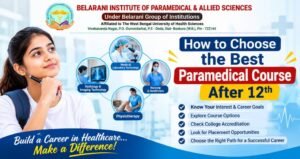
How to Choose the Right Paramedical Course?
Choosing the right paramedical course is an important decision that can influence your future career. Before selecting a programme, students should consider the following factors:
- Identify Your Interests: Decide whether you are interested in laboratory work, diagnostic imaging, emergency care, or surgical assistance.
- Check Course Eligibility: Understand the educational requirements for admission.
- Research the Institution: Choose a recognised institution with suitable infrastructure and practical training facilities.
- Understand the Course Curriculum: Review the subjects, practical sessions, and internship opportunities.
- Explore Career Opportunities: Research the employment opportunities available after completing the programme.
- Check Further Education Options: Consider whether the qualification allows you to pursue advanced studies or specialisation.
A well-informed decision can help students choose a course that matches their interests and long-term professional goals.
Conclusion
Paramedical courses provide students with an opportunity to build a career in the growing healthcare industry. From medical laboratory technology and radiology to dialysis, operation theatre assistance, and emergency medical services, there are several professional pathways to explore.
The right course, practical training, technical knowledge, and dedication can help students develop the skills required to work in different healthcare environments.
If you are planning to enter the medical field and want to explore opportunities beyond traditional medical degrees, paramedical education can be a valuable starting point. Choose a specialisation based on your interests, understand its eligibility requirements, and select an institution that provides quality education and practical exposure.
A career in paramedical sciences is not just about employment; it is also about contributing to patient care and supporting the healthcare system.